
Bringing business logic and human logic to the same table
Organisations are constantly launching changes: new strategies, operating models, systems, organisational structures and ways of serving customers. These changes often have a business objective, such as more efficient operations, better customer experience, profitable growth or the ability to respond to a changing market.
Yet many changes fall short. Not because the objective is wrong. Not because there is no plan. They fall short because the change remains disconnected from everyday work and does not become part of how people think and act.
Change is too often led purely from a business perspective, overlooking the people affected by it. This creates a gap between the change that was planned and the change that is achieved. Defining objectives, processes and metrics, and making the decision to start, is not enough. If the people expected to work in a new way are excluded from the decision-making process, the decisions will inevitably fail to remove the barriers to success in frontline work, production and customer interactions.
Changes that are disconnected from everyday reality are then dressed up with inspiring stories, even when the change itself inspires no one. They are justified, communicated and pushed through with great effort. Friction naturally arises when decisions feel detached from reality.
Change does not happen in Excel or PowerPoint
A thorough analysis of financial, business and market information is an important basis for decision-making. A strong strategy and a clear target state matter, as does systematic planning. But change does not happen in documents, steering groups or project plans. Ultimately, it happens when people do their work differently, every day. The success of a change is determined by which barriers to serving customers and working efficiently it manages to remove.
For change to succeed, people need to understand what to prioritise, what to stop doing, how to make decisions, how to serve customers, how to use a new system and how to work with others.
From a business perspective, change can look straightforward on polished PowerPoint slides. Set the direction, define the objectives, establish the structure and implement it. From a human perspective, change is rarely that simple. People need understanding, meaning, trust, the opportunity to influence, sufficient support and room to practise new ways of working. They need to feel that the change is not simply a management initiative, but a shared direction worth committing to.
Taking people into account requires just as much discipline as managing the business aspects of change. Involving people is not a one-off workshop. It is an ongoing dialogue that builds shared understanding, creates more effective solutions and strengthens commitment. At the same time, the organisation develops a culture of openness and involvement that can support everything it does in the future.
Dialogue does not slow change down. It improves its accuracy.
Many organisations try to accelerate change by communicating more. They send announcements, publish intranet news, hold information sessions and hope that people will adopt the new way of working.
Communication is necessary, but one-way communication alone will not carry a change to completion. Change requires dialogue. Not because everything should be negotiated, but because people often hold information that is essential to the success of the change. They see the everyday friction, the practical risks and the points where processes do not work. They understand how customers could genuinely be served better and how collaboration and everyday work could be made smoother.
When this knowledge is heard early enough and used as an input to decision-making, it does not slow the change down. It makes the change more relevant and, ultimately, faster.
Dialogue is a practical tool for making visible what the change requires from different groups, where uncertainty exists, what needs to be clarified and what kind of support is needed. At the same time, people stop being merely the targets of change and become the people making it happen. Dialogue creates momentum for change.
Practical, systematic and inclusive change
Huritao’s approach to change is not based on quick fixes. We turn change into a shared journey, rather than treating it solely as a management decision or a task for the project organisation. We build understanding, clarify the shared direction and define the actions needed to make the change work in practice. With us, the way the change is defined creates a stronger foundation for success.
We connect business objectives with people’s everyday work. We involve people early. We listen, discuss and adjust our approach along the way. We keep the work clear, practical and systematic.
Ultimately, change succeeds only when it becomes visible in the everyday lives of people, both employees and customers.
Positive
Dynamic
Evolving
Change
Reaction.
Contact
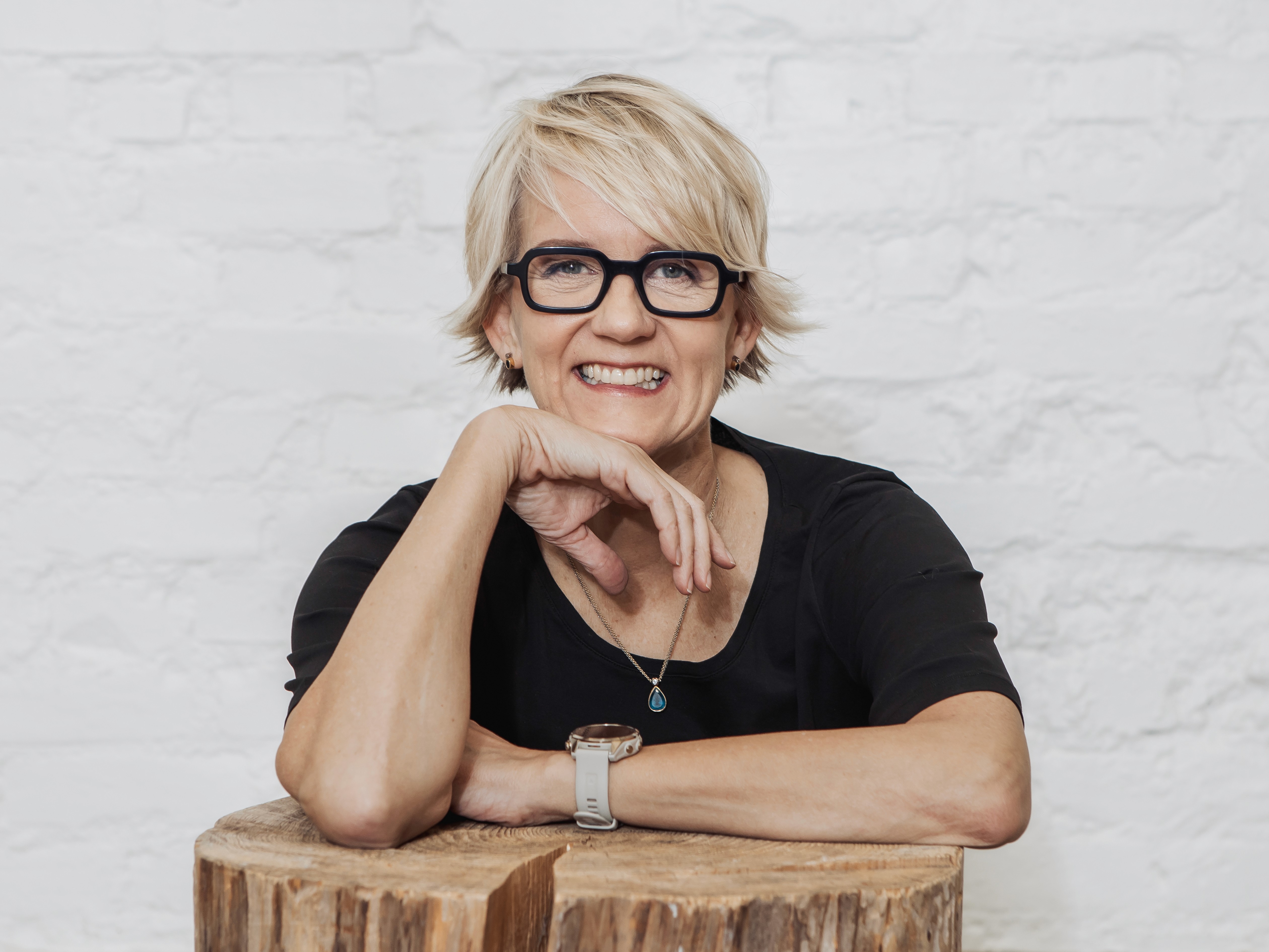
Reetta Rajala
Chief Executive Officer
reetta.rajala@huritao.com
+358 40 7798 313
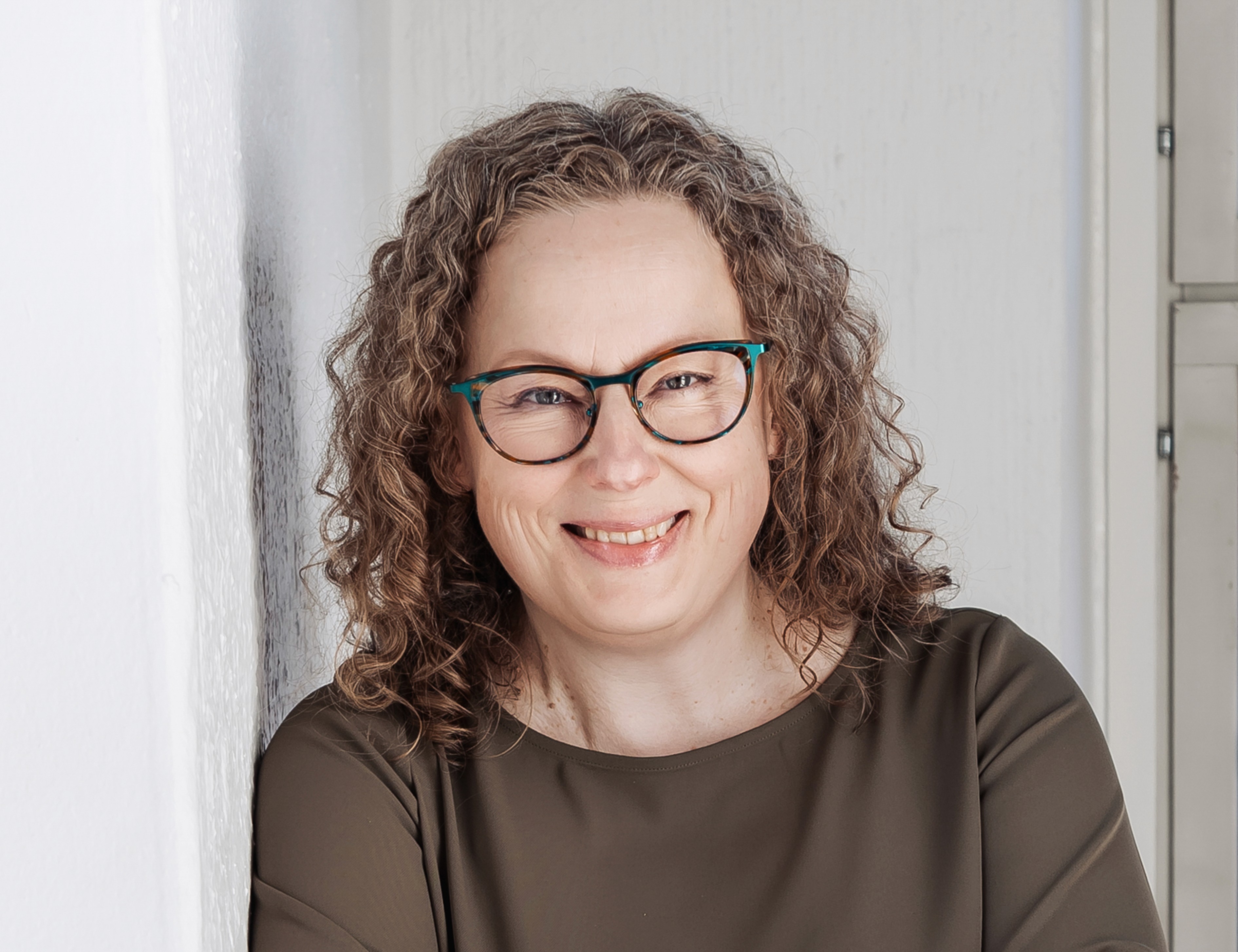
Minna Kivimäki
Chief Growth Officer
minna.kivimaki@huritao.com
+358 40 668 9767
